You know you need to heal after a breakup, but did you know that creating the right environment for your healing is an important factor in determining how long it takes you to heal and what type of scars you carry with you after the breakup?
What Does It Mean to Create the Right Environment to Heal after a Breakup?
Thinking about creating the right environment after a breakup is a rather abstract concept, especially since our heart, in this case, is not tangible — something we can see, feel or touch — but it’s still real.
In the article, 7 In-depth Steps: How to Heal after a Breakup, I share that scientists have shown that heartbreak pain registers in our bodies the same way as physical pain. However, we can’t see the cut or feel the bruise.
So, it makes us ask the question, “How can we create an environment to heal and grow something that doesn’t appear to our eyes?”
I’m going to give you an example of something that requires the right environment to grow and thrive to explain what I mean.
Ready?
Let’s go to the garden!
In What Type of Environment Do Plants Grow Best?
Have you ever taken up gardening?
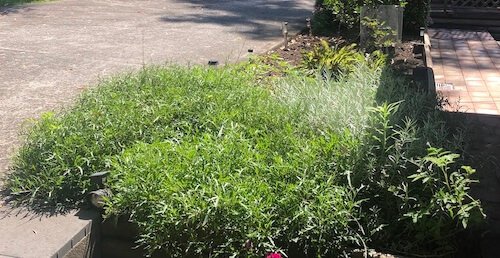
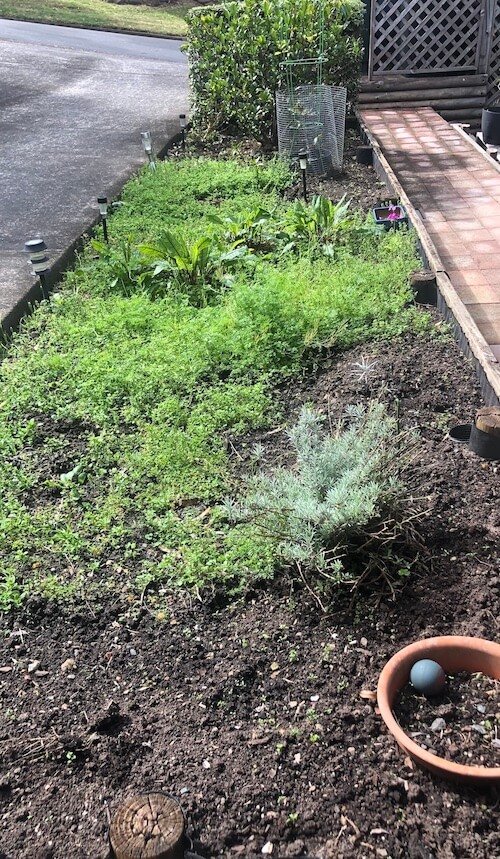
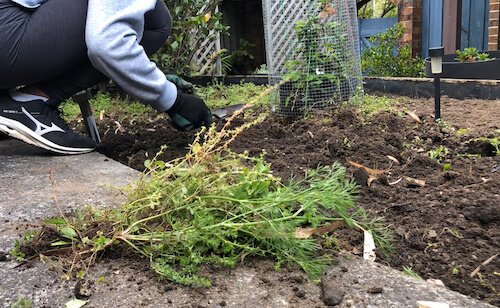
A few years ago, I decided to try my hand at gardening, but before I could begin I had to clear the garden of the overgrown rocket and the weeds that had taken over. Prior to planting something new, I had to create the right environment for growth.
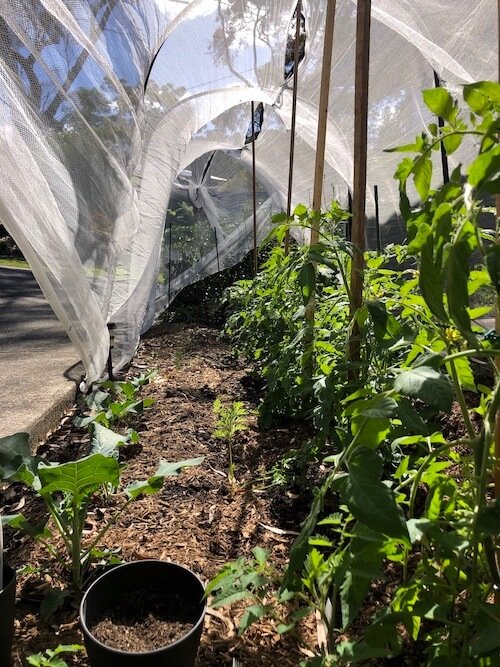
Once the environment was ready — cleared of any weeds and the soil was full of nutrients –I planted the seeds. Then, I watered and fed the plants and allowed them to get sunshine. After that, I was able to watched my garden grow.
Creating the Right Environment Will Help Your Heart Heal
Your heart flourishes under the same conditions! When you remove the weeds and things that are hindering your heart from healing, you give yourself the chance to thrive.
After a breakup, your heart aches because it has experienced a wound. Many times, the depth of the wound depends on your connection with your EX and how the relationship ended. It can also depend on how invested you were and how you imagined your future with your EX.
As a result, some wounds are deep and complex while others are superficial and can mend quickly. No matter the size of the wound, all hearts need to heal after a breakup.
Fortunately, there are things you can do to promote your healing by creating the environment for your heart to heal.

Healing is one of those things that happens over time. Just as a plant grows or a cut heals or a child grows taller each year, processes in life require time. There’s nothing you can do to rush healing, but there are things you can do to encourage it.
This is the purpose of creating a healing environment: to allow your heart the space and time to heal and thrive.
How I Created the Environment to Allow My Heart to Heal
As I shared in the article, 7 In-depth Steps: How to Heal after a Breakup, I had to be really intentional in creating the environment to allow my heart to heal.
After one particular breakup, I consciously told myself that I needed to slow down.
You see, I had a pattern and a way of dealing with hurt. I knew it wasn’t hard for me to find a guy to show interest in me. It may not have been the man of my dreams, but it was someone. Even if I knew the relationship wasn’t going anywhere, the distraction of the attention was enough to take my mind off of the hurt of the relationship.
Well, after this particular breakup, I decided that I didn’t want to fill my life and my time with randoms who didn’t have any meaning for me. I was looking for a long-term relationship that would lead to marriage so I decided I needed to focus my attention on relationships that filled those requirements.
With each offer to hang out for meaningless connection that would mask my hurt, I declined. Sometimes this meant sitting in my room alone or having to confront my pain, but I realized my heart was healing in a new, uninterrupted way than it had in the past.
How You Can Create the Environment for Your Heart to Heal
Now that you understand what it means to create the environment for your heart to heal, here are a some steps you can take to “pull the weeds” in your heart and create the space for your heart to thrive.
1. Be kind to yourself
The first step in creating a healing environment is to start off by being kind to yourself. Sometimes our hardest critic can be our inner voice and the words we say to ourselves. If you can start by being gentle and loving, you will begin to create the environment for your healing process to take place.
Imagine you’re at a hospital or a healing facility. What language would the staff use with you, as they watch you laying on the bed, fighting to recover from your illness? What care would they take as they tend to your wounds?
As you go through the healing process after your breakup, treat yourself with the same level of kindness and respect.
2. Acknowledge your feelings
At this time, acknowledging your feelings is a critical part of healing your heart. If you don’t recognize what you’re feeling, how can you heal from it?
While it might seem that the best way to get over your heartbreak is to simply ignore it, push your feelings to the bottom of your mind and force yourself to move forward, this is not a good way to allow your heart to heal.
Acknowledging your feelings can include using a journal, talking to a friend or counselor or even creating a Breakup Survival Plan, which will walk you through the emotions you’re feeling after the breakup.
However you choose to go through the process, understand that having a sense of what you’re feeling will give you a clearer path to healing.
3. Address your wounds and help them to heal
As you recognize your feelings, you should pause to identify where you’ve been wounded. On your physical body, this is a straightforward exercise. A doctor can poke and prod you, give you X-rays and MRIs and take blood work to understand your injuries.
When it comes to your emotional and mental health, understanding where your wounds are can be more allusive and complex. To understand where you are wounded you can ask yourself:
- What are the sore spots for you?
- What moments in the relationship made you question your value and self-worth?
- What are moments that you can’t seem to get over?
- What conversations keep playing back in your mind?
- Where do you feel especially sensitive and vulnerable?
- What actions do you take that seem out of sorts for you that may be related to emotional wounds?
As you answer these questions, you will begin to understand where the wounds are in your heart, and over time, more wounds may be revealed as you enter new situations or revisit old ones.

While your feelings are temporary and dependent upon your circumstances, wounds have a character-altering impact on us. When you pause to recognize where those wounds are, you’ll be in a better place to address them.
Again, counseling and therapy can help you identify these wounds and help you begin the healing process.
4. Don’t rush the process, but still be proactive
Creating the environment for your healing doesn’t mean being passive; it means intentionally taking your healing journey slowly. This will give you time to pause and listen — listen to what you’re feeling, listen to how you’re reacting and observe what you’re doing.
Activities like addressing your wounds and acknowledging your feelings take time, and this is one of the reasons you shouldn’t rush the healing process.
5. Get help and support where you need it by surrounding yourself with the right people
As you take time to understand what you’re feeling and address your wounds, you’ll begin to understand the support you need in your healing process, whether this is a breakup coach, a counselor, a group of friends or a supportive Facebook group.
Similarly, as you put effort into getting the support you need, also be conscious to set boundaries with those people who could be detrimental to your healing process. Having the right people in your corner at this time is essential to creating an environment to support your healing.
6. Be Introspective
An important part of the healing process is to spend time alone reflecting on what happened and identifying the lessons you want to take away. You can start by asking yourself things like:
- Why didn’t the relationship work?
- What didn’t you like about the relationship?
- What did the relationship reveal to you about yourself?
- What did you like/dislike about the relationship?
For more introspective questions, consider completing the Breakup Survival Plan.
7. Surround yourself with the right resources
In addition to having the right people around you, it’s also important to access the right resources to help you heal. This might include books and courses, downloads and helpful videos.
I provide many resources to empower women to cut through the chaos of hurt, confusion and anger to move beyond their breakups through my website, Facebook page and Instagram account.
8. Distance yourself from your EX
One of the most important ways to create the environment for your healing is to remove yourself from the hurtful situation. This includes distancing yourself from your EX.
If you compare your emotional healing to your physical healing, it makes this decision clearer. You wouldn’t continue to stay in contact with the thing that physically hurt your body, like a snake that has just bitten you or a fire that’s just burned you or a car accident that’s just injured you. You would remove yourself from the situation.
In the same way, after a breakup, in order for you to heal properly, you must distance yourself from the thing that hurt you so you can work on your healing.
One of the ways you can do this is through the 30 Day No Contact Rule, which you can learn more about in this article.
Creating the Environment for Your Healing
After a breakup, it’s very important to create the environment for your healing because it’s one of the most proactive things you can do to promote your healing. While it may initially be overwhelming to take all of the steps mentioned in this article, simply taking one step forward towards healing will make a difference in your heart being even stronger than it was before the relationship ended.